Fiona Connor
Blanket Games
11 February - 14 March 2026
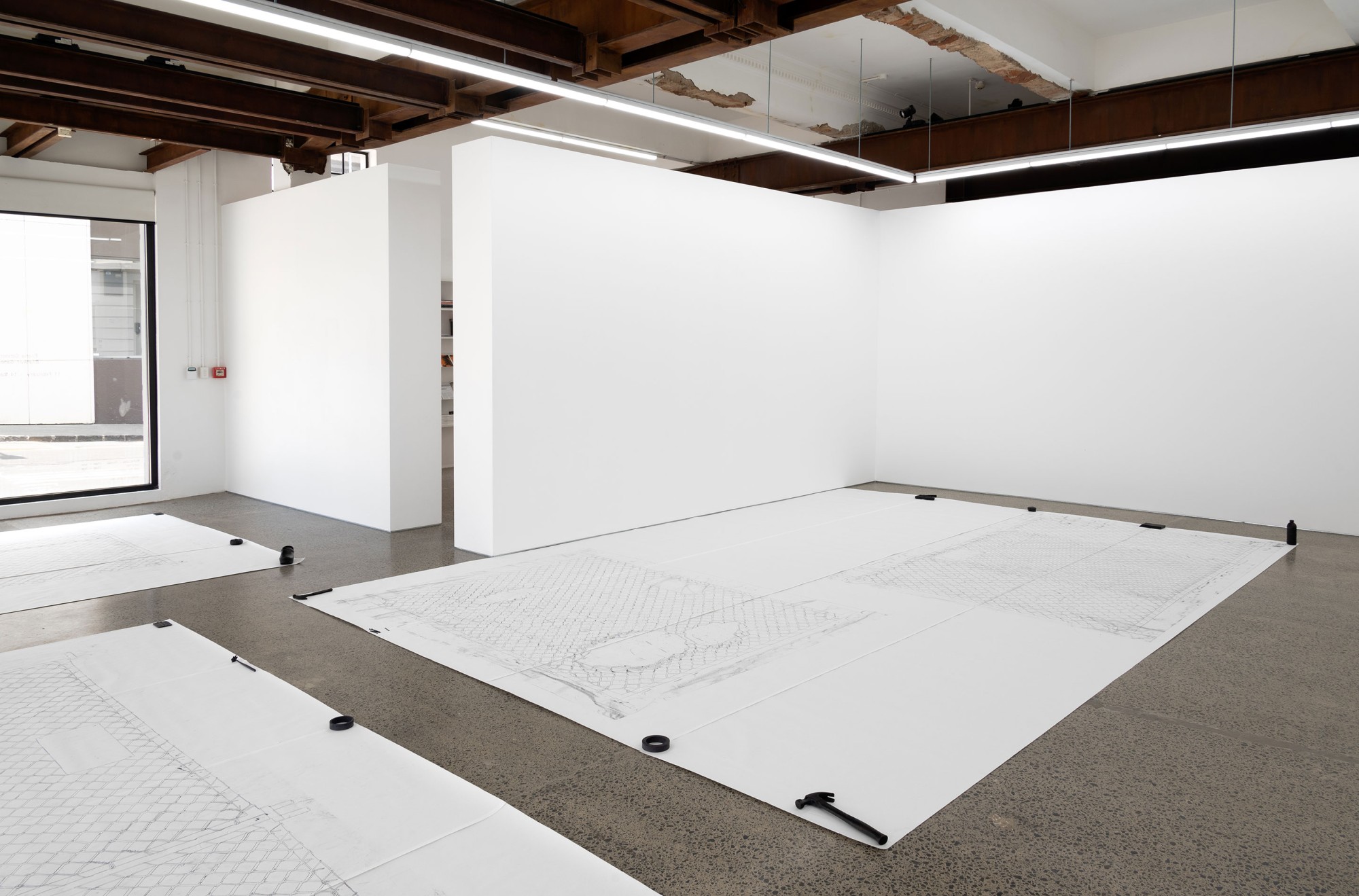
Fiona Connor
Blanket Games, 2026
installation view: Coastal Signs, Tāmaki Makaurau Auckland
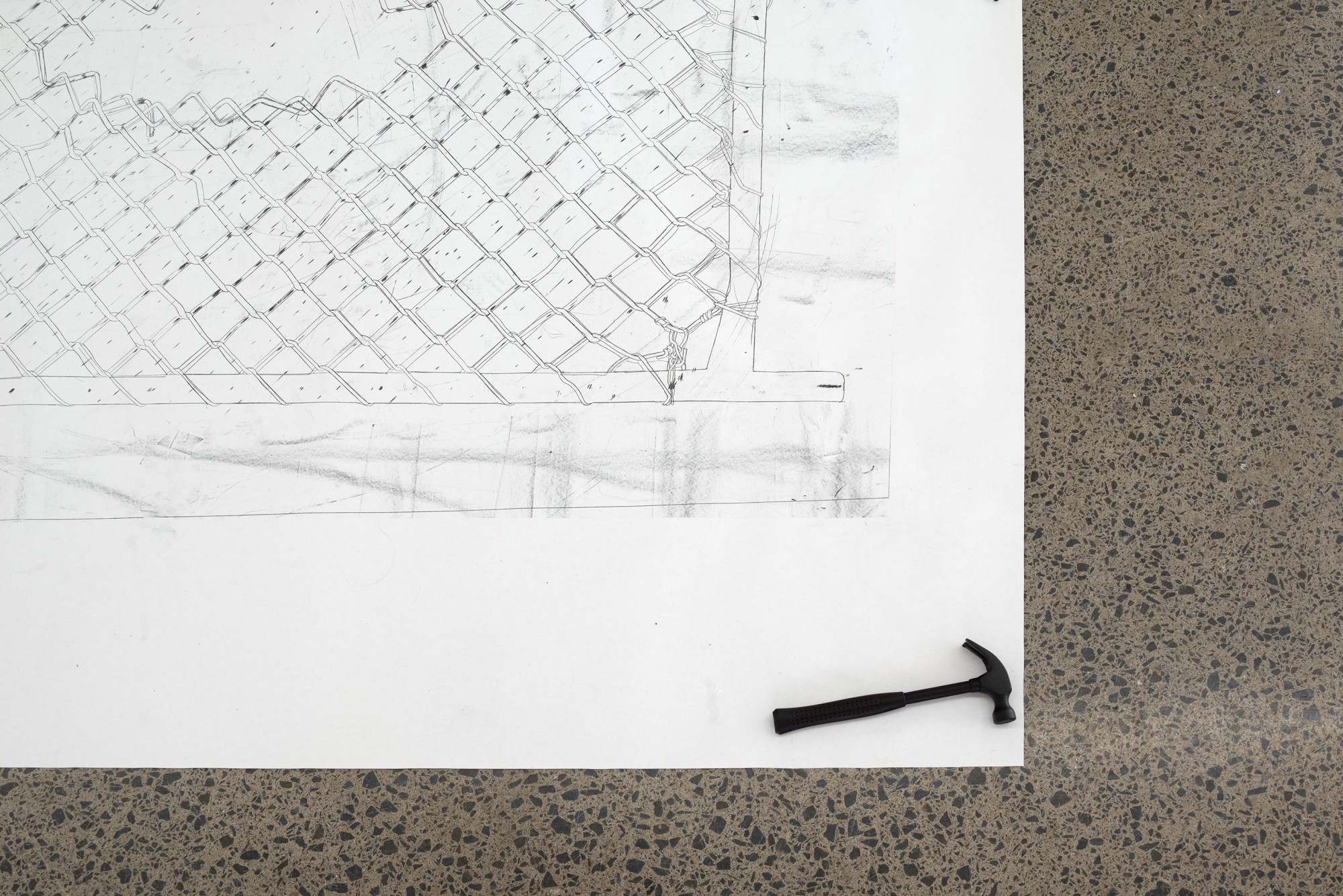
Fiona Connor
Blanket Games 3 (detail), 2025
mono-print on paper
4050 x 5850mm
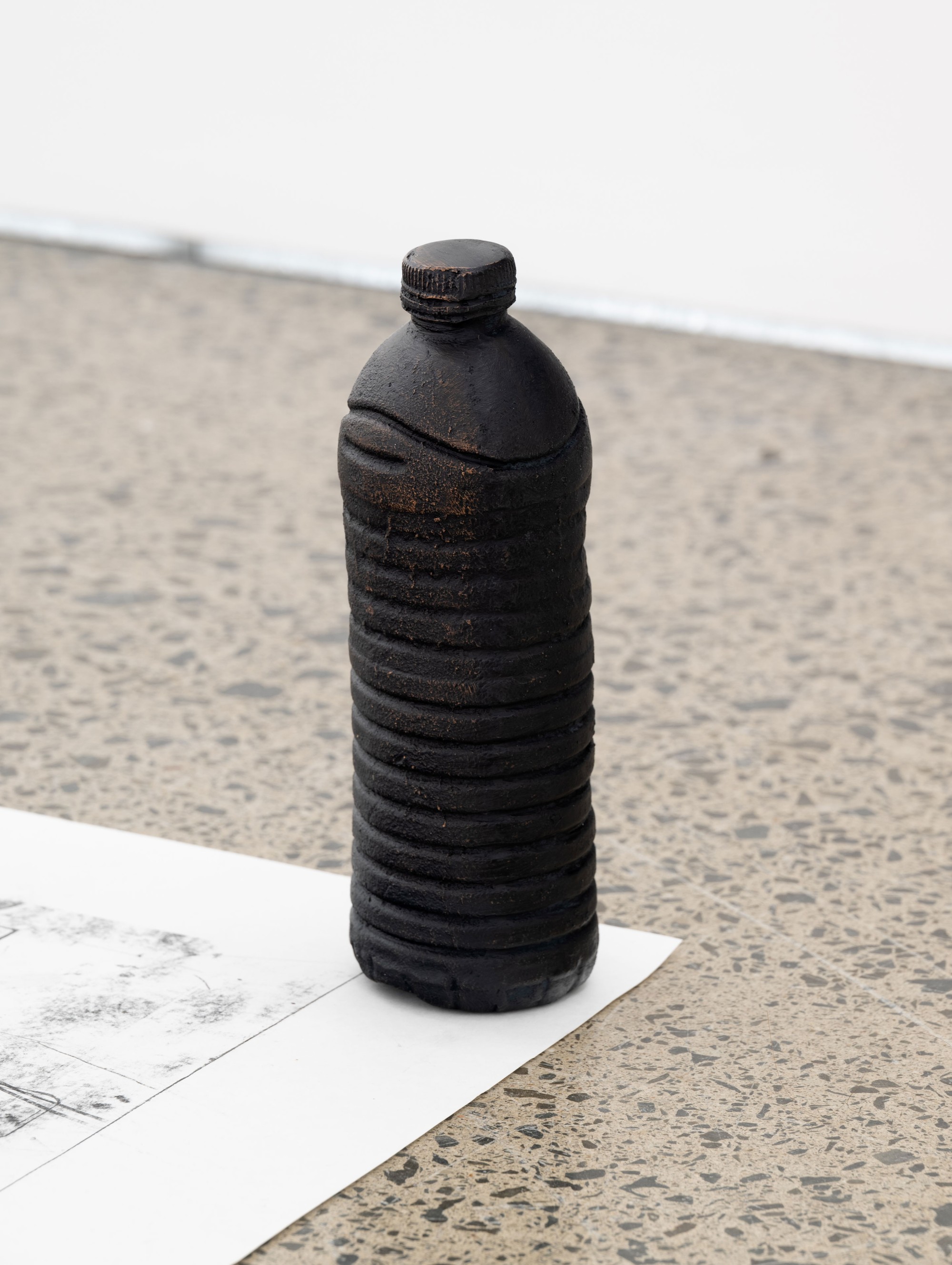
Fiona Connor
Weights (detail), 2026
cast bronze
eight elements, life-size
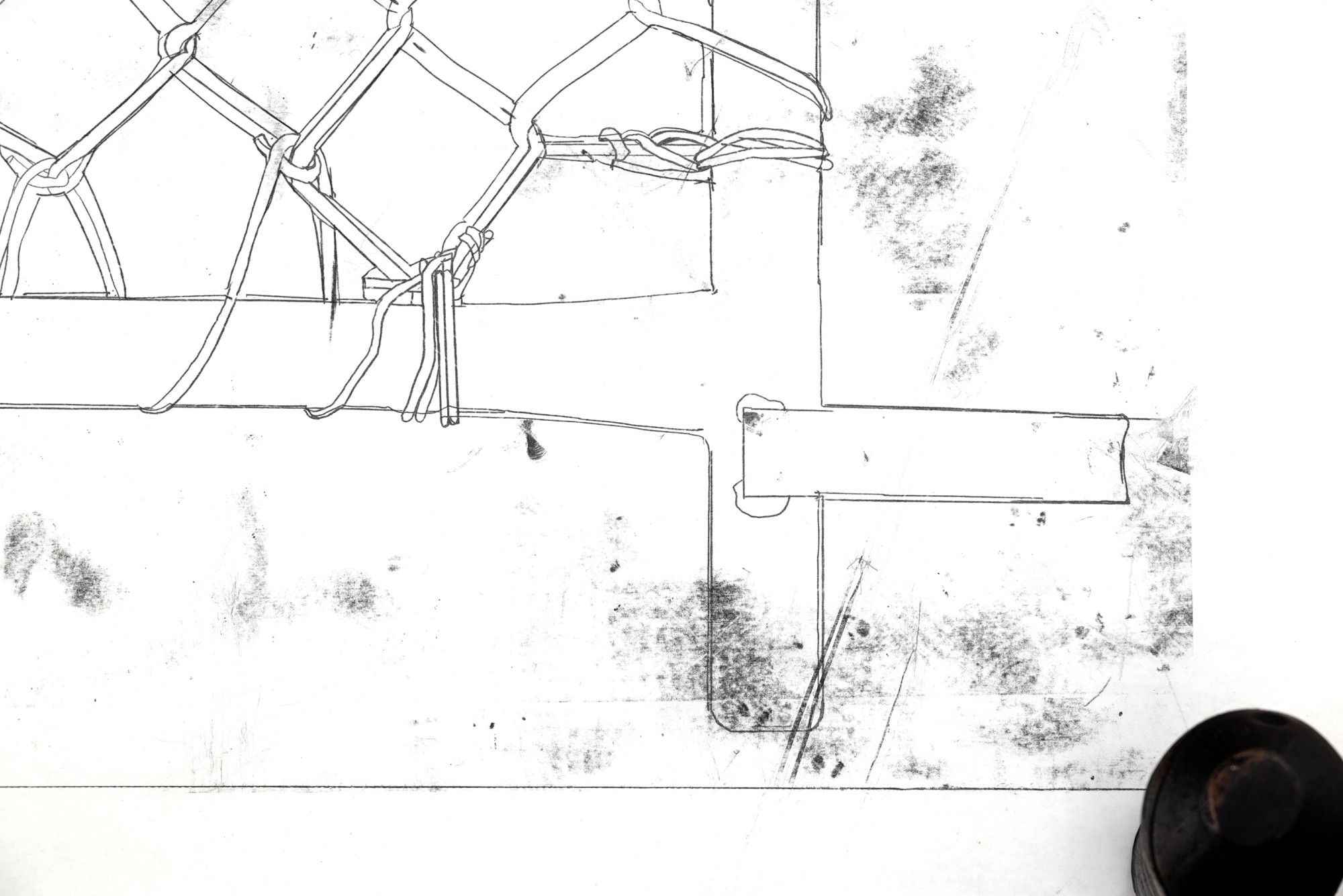
Fiona Connor
Blanket Games 3 (detail), 2025
mono-print on paper
4050 x 5850mm
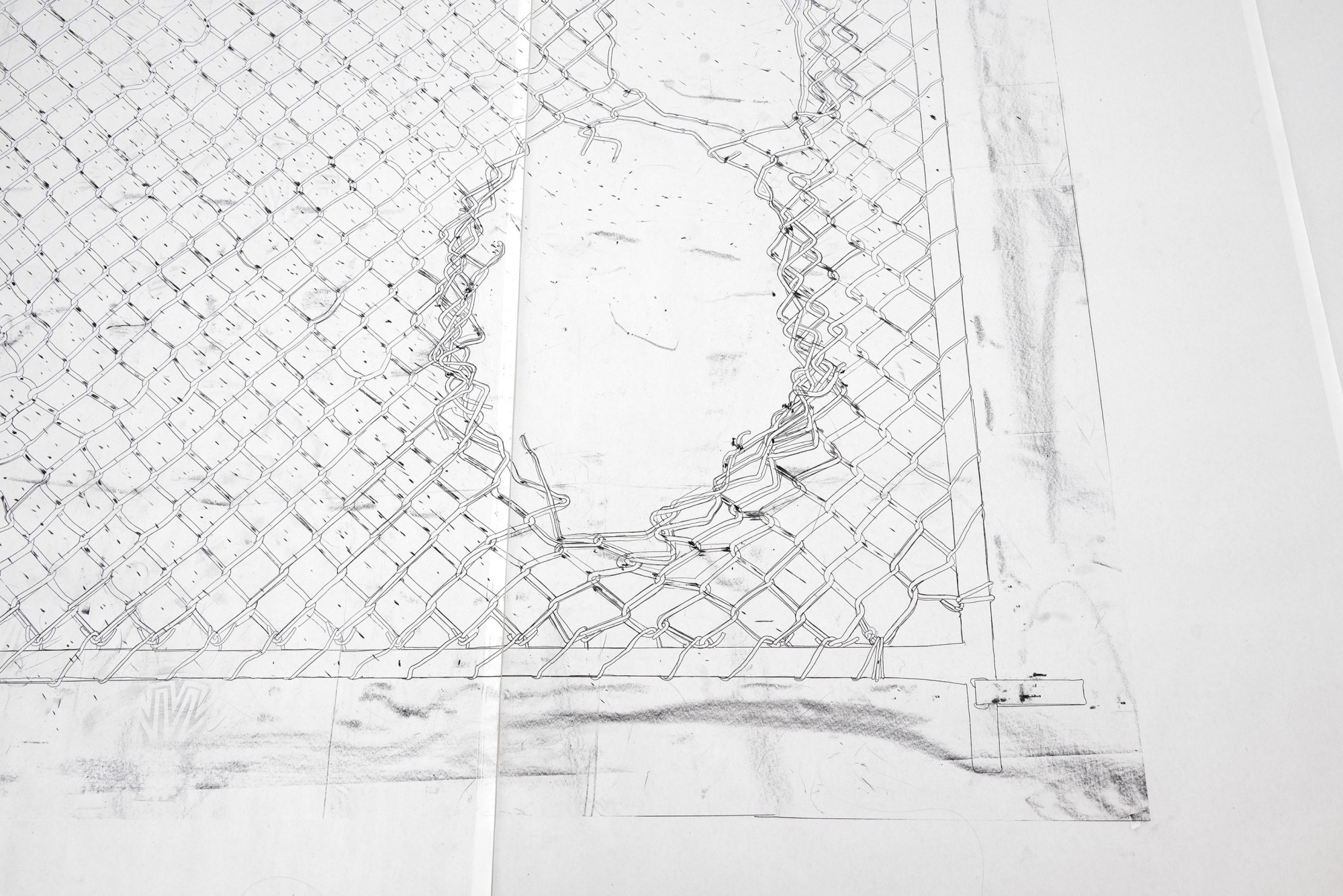
Fiona Connor
Blanket Games 3 (detail), 2025
mono-print on paper
4050 x 5850mm
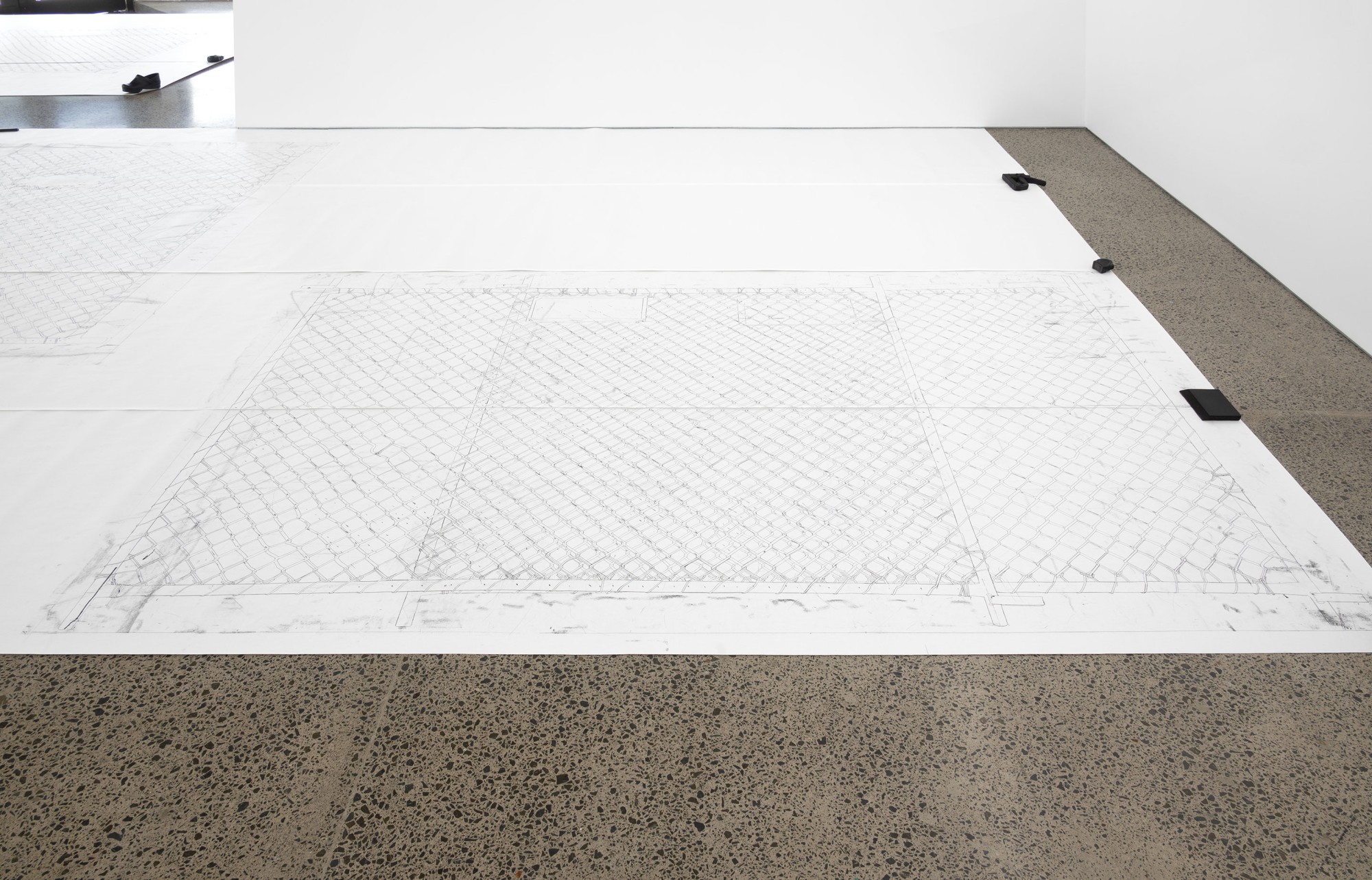
Fiona Connor
Blanket Games, 2026
installation view: Coastal Signs, Tāmaki Makaurau Auckland
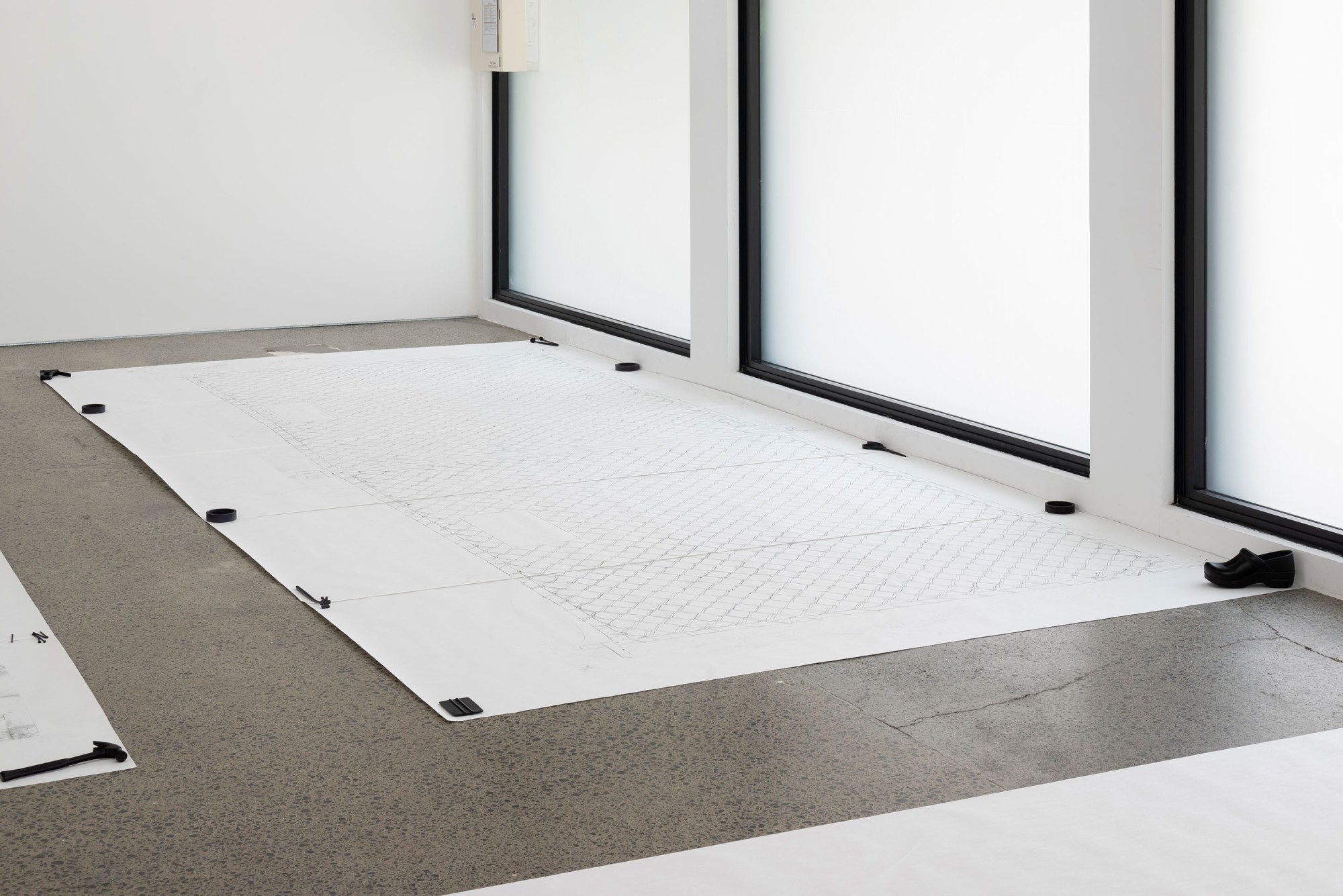
Fiona Connor
Blanket Games 2, 2025
mono-print on paper
2400 x 5080mm
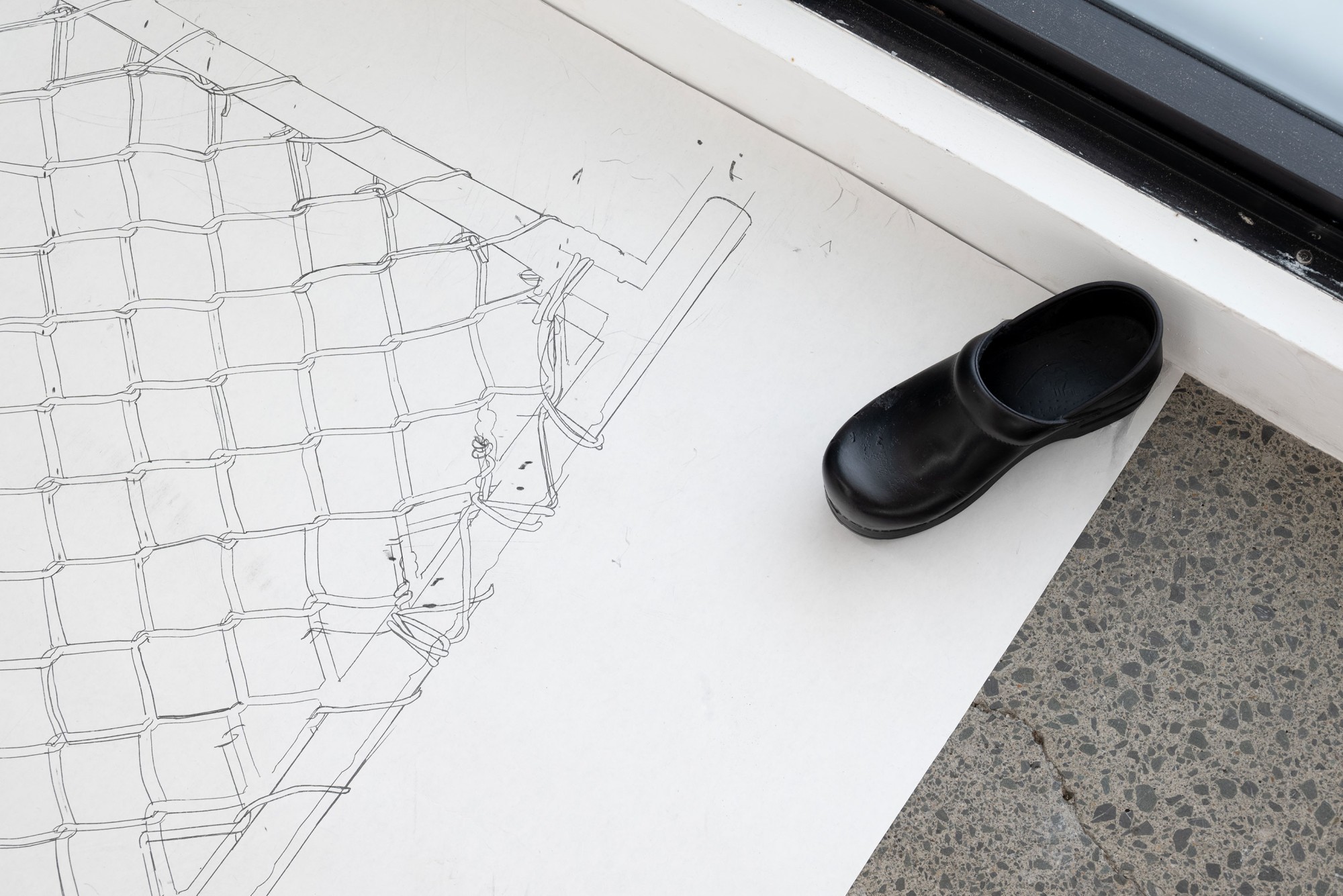
Fiona Connor
Blanket Games 2 (detail), 2025
mono-print on paper
2400 x 5080mm
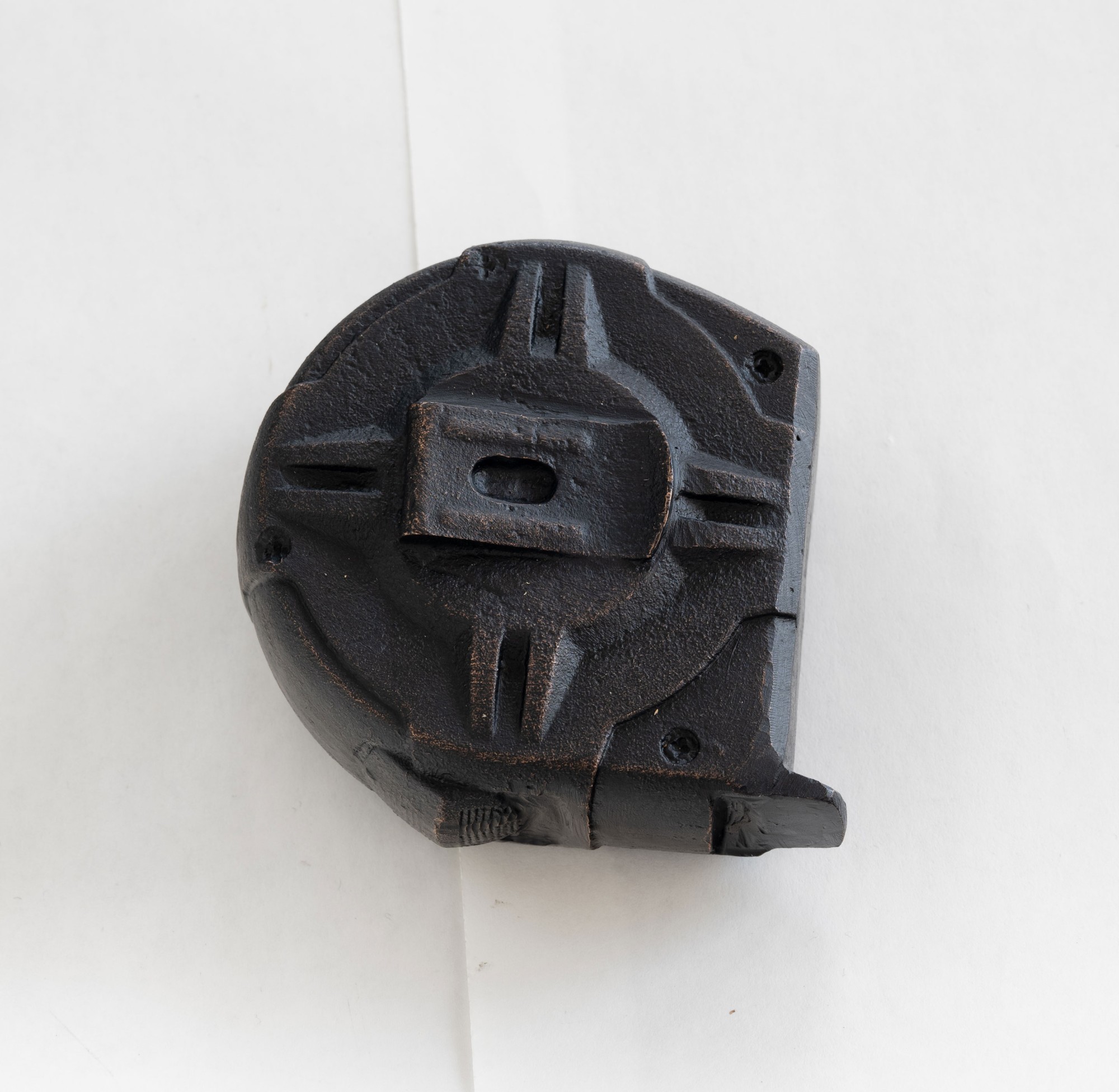
Fiona Connor
Weights (detail), 2026
cast bronze
ten elements, life-size
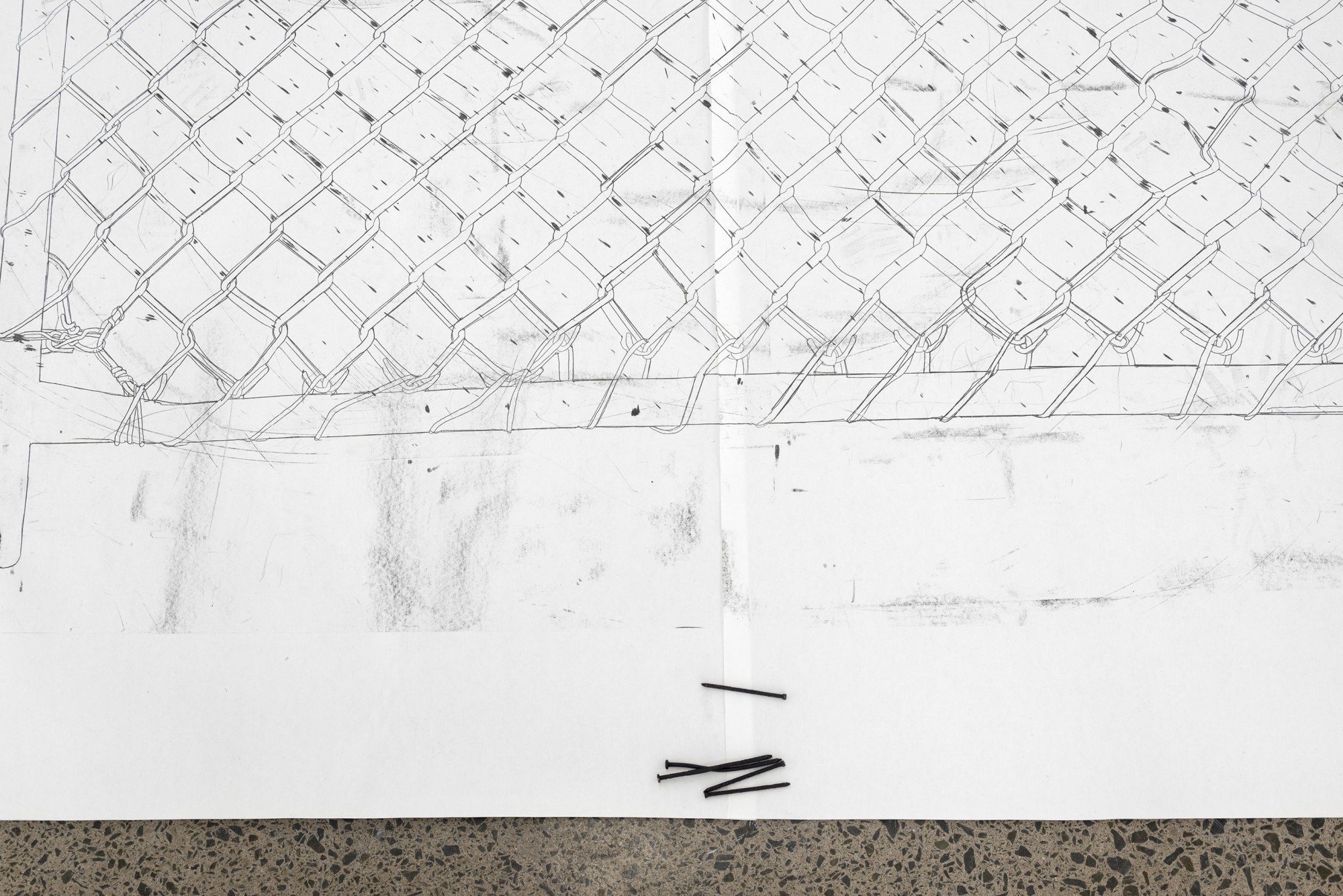
Fiona Connor
Weights (detail), 2026
cast bronze
seven elements, life-size
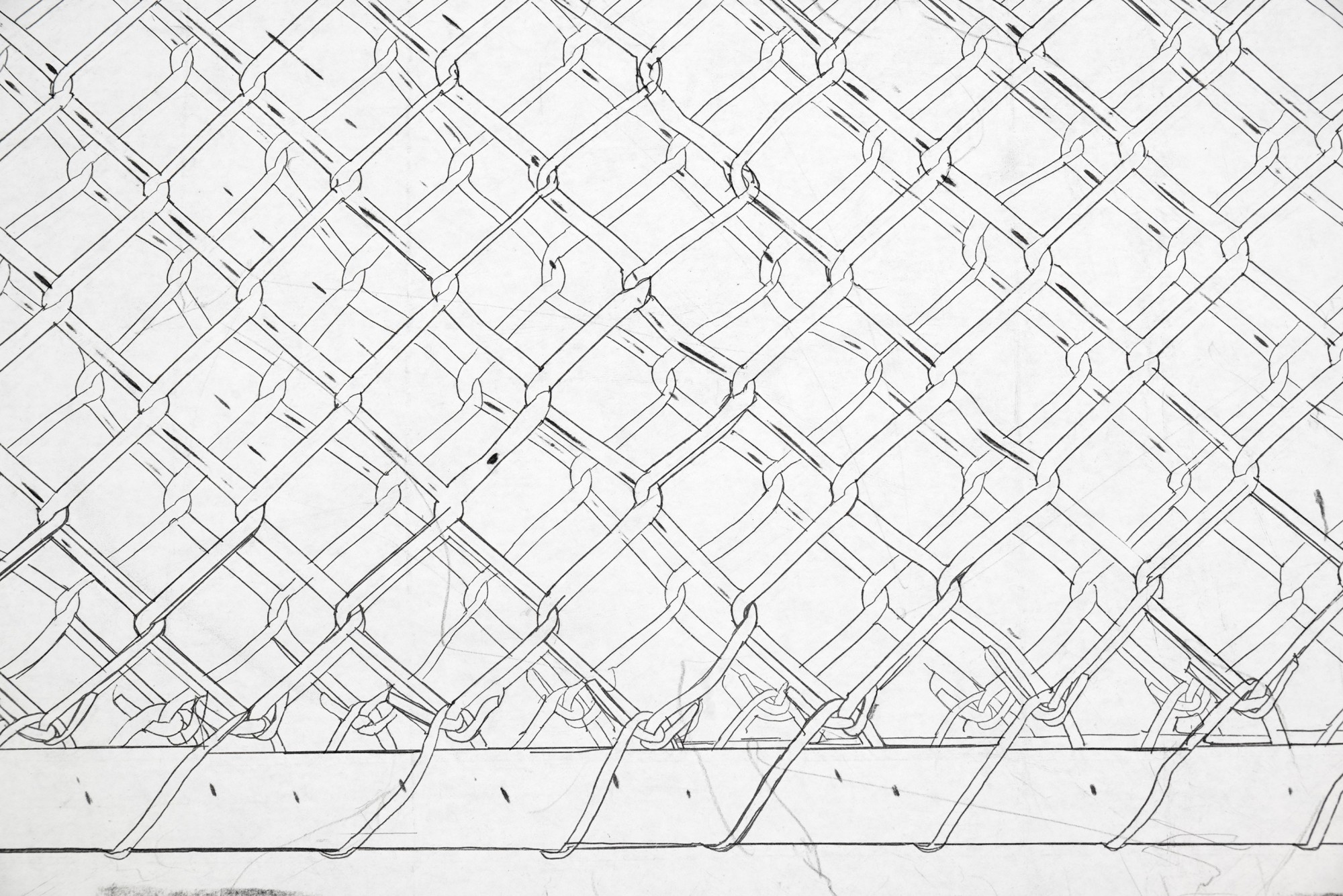
Fiona Connor
Blanket Games 3 (detail), 2025
mono-print on paper
4050 x 5850mm
Fiona Connor
Blanket Games 3 (detail), 2025
mono-print on paper
4050 x 5850mm
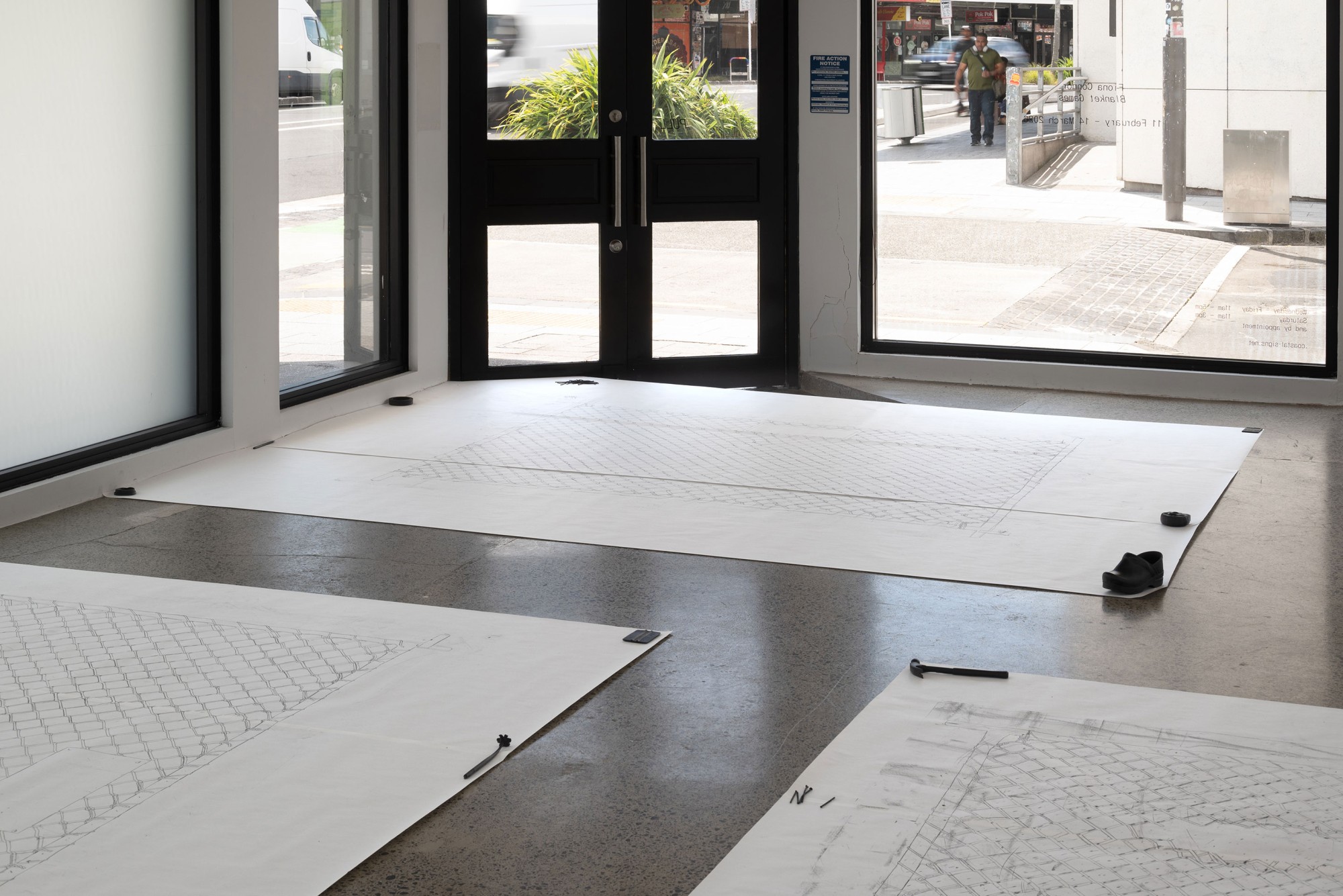
Fiona Connor
Blanket Games, 2026
installation view: Coastal Signs, Tāmaki Makaurau Auckland
Coastal Signs is pleased to present Blanket Games, a solo exhibition of new work by Fiona Connor.
Blanket Games comprises a series of five large-scale drawings installed on the floor of the gallery – mono-prints made by drawing large sections of latticed wire fencing at a one-to-one scale. As is often the case with Fiona’s work, the drawings are produced in direct relation to an ‘original’ three-dimensional object. In this instance a standard section of fence is placed horizontally on top of layered paper and carbon paper. To ‘draw’ the object the artist sits on top of the object and traces around the structure; the fine lines are the result of the pressure of the pen’s tip, while the textures and smudges are a kind of frottage produced by the movement of the body.
The hurricane fence, as it’s commonly known in Aotearoa, is a temporary structure that has become ubiquitous both in local urban space and, particularly during times of emergency, in reportage from geopolitical events. The scale of the fence and the woven pattern of the wire is designed to restrict physical access, most commonly vehicles and bodies, while the fence's transparency is crucial to its ability to withstand high-winds (hence the name).
For Blanket Games Connor tilts this commonplace material on it’s axis, both physically and metaphorically. A structure that is typically used as a barrier or boundary becomes a territory, and a standardised, indifferent object is reproduced in an embodied, intimate manner with markedly delicate results.
The drawings are held in place by bronze paperweights cast from objects found around the artist’s studio and Coastal Signs’ office. The sculptures – a pair of shoes, the gallerist’s novelty pen, screws, a tape-measure – are a result of the artist simply grabbing ready-to-hand objects to keep the works secure in the studio, and becoming accustomed to the added layer. Tools of the trade and knick-knacks that accumulate in working spaces here function both as symbols of the hidden labour that goes in to exhibition-making and as strange landmarks on the maps beneath them.
On entering the gallery the viewer is invited to navigate the exhibition through narrow channels between each latticed field. By limiting the number of visitors that can access the exhibition at one time, and dictating their path through it, Connor encourages her audience to pay a different kind of attention to their environment. In Blanket Games the highly specific and functional are loosened from their contexts, allowing the formal, social, and psychological properties of objects to be attended to. As Tina Barton writes in a recent essay on Connor’s work:
A representation has the potential to wrest control from sovereign power, freeing boundaries from a single fixed authority and opening the way for the multiple mappings we each bring to our sense of being in the world. If this is the case, representations can be liberating, and if we shift them - as Connor does - from their normal locations, they can generate new meanings and connections.[1]
[1] Tina Barton, The Map of a Territory That Is Not an Empire, Current Art Magazine, Issue 01, Dec. 2025, pp.110-115